
What is a Padel Court? A Complete Guide to Understanding and Building Padel Courts
26 March 2025

A padel court is a rectangular enclosed playing area designed specifically for the sport of padel.
It combines elements of tennis and squash, featuring glass walls and metal mesh that allow the ball to bounce off them during play.
The standard dimensions of a padel court are 10 metres wide by 20 metres long, making it smaller than a traditional tennis court but with unique playing characteristics.
The Origins and Rise of Padel Courts
Padel originated in Mexico in 1969 when Enrique Corcuera modified his squash court to incorporate elements of platform tennis. The sport quickly spread to Spain in the 1970s, where it gained enormous popularity and is now considered one of the country’s most popular sports. Today, padel is experiencing rapid growth worldwide, with over 25 million active players in more than 90 countries.
The appeal of padel lies in its accessibility for players of all skill levels. Unlike tennis or squash, which have high barriers to entry in terms of skill, padel is easier to pick up and enjoy from the first game. It’s typically played in doubles, making it a social sport that encourages interaction and teamwork.
Padel Court Structure and Dimensions
A regulation padel court follows specific dimensions set by the International Padel Federation (FIP). The internal playing area measures exactly 10 metres wide by 20 metres long with a small tolerance of 0.5%. The court is divided by a net similar to tennis but with different height specifications – a maximum height of 88cm in the centre rising to 92cm at the sides.
What makes padel courts unique is their enclosed structure. The courts are completely surrounded by walls made from a combination of materials. Typically, the back walls and service corners are 4 metres high, while the side walls are 3 metres high. These walls are usually constructed with transparent glass panels for the lower sections and metallic mesh for the upper portions, allowing spectators to view the game easily.
The playing surface of a padel court can be made from various materials including synthetic grass (the most common), resin, or porous concrete. Most courts feature a blue or green playing surface with contrasting line markings for clear visibility during play.
Types of Padel Courts: Permanent vs Temporary
When considering a padel court installation, you’ll need to decide between permanent and temporary structures. Both options have distinct advantages depending on your specific needs and site conditions.
Permanent Padel Courts
Permanent courts provide stability and durability for long-term use. These courts are constructed using concrete foundations with either a concrete slab or an exterior court concrete ring beam, depending on the specific site requirements. They are designed to meet professional competition standards and offer optimal performance and longevity.
Permanent courts are ideal when you have dedicated space available and plan to use the facility for many years. They can be built to exacting specifications and provide the best playing experience for serious padel enthusiasts or clubs aiming to host tournaments.
Temporary Padel Courts
Temporary courts offer flexibility and versatility for changing needs. These courts eliminate the need for extensive groundworks, ensuring that the surface beneath remains intact and undisturbed. Their modular design allows for quick assembly and disassembly, making them perfect for venues that might need to repurpose the space in the future.
These courts can be installed on various terrains, from sloping landscapes to existing flat surfaces like tennis courts or tarmac areas. This makes them an excellent option for clubs or facilities testing the popularity of padel before investing in permanent structures.
Planning Your Padel Court: Key Considerations
The success of your padel court project begins with careful planning and site selection. Several factors need consideration to ensure an optimal playing environment and seamless integration with the surrounding area.
Location and Orientation
When planning a padel court, it’s essential to assess factors such as sunlight exposure, wind direction, and proximity to nearby structures. The optimal location should allow ample natural light while minimising wind interference that could affect ball movement during play.
The orientation of the court is also crucial to avoid players facing directly into the sun. Most experts recommend a north-south orientation to minimise sun glare for players during morning and afternoon sessions.
Space Requirements
A padel court requires sufficient space not just for the playing area but also for surrounding access and amenities. While the court itself measures 10×20 metres, you’ll need additional space around it for player movement, possible seating, and access pathways.
For a comfortable playing environment, consider allowing at least 2 metres of clear space around the court. This ensures safety and provides room for players, spectators, and maintenance access.
Quality Materials
At Lofthouse Padel Court Specialists, we prioritise high-quality materials to ensure durability, safety, and aesthetic appeal. The playing surface should feature synthetic grass or artificial turf specifically designed for padel, offering consistent ball bounce and minimum maintenance requirements.
The glass walls should be tempered safety glass or high-quality polycarbonate to withstand ball impacts while providing clear visibility. Robust steel or aluminium framing enhances structural integrity, while proper lighting ensures the court can be used throughout the day and evening.
Planning Permission for Padel Courts
One of the most important aspects of building a padel court in the UK is obtaining planning permission. This legal requirement ensures your court meets local regulations and doesn’t negatively impact the surrounding environment or community.
Why Planning Permission is Required
The construction of a padel court, whether it’s a completely new installation or converting an existing tennis court, constitutes development and therefore requires formal planning consent from your local authority. This applies to all aspects of the court, including the glass walls, mesh fencing (3-4 metres in height), and any proposed floodlighting.
Planning permission helps ensure that your padel court development:
- Complies with local planning policies
- Considers environmental impact
- Addresses community concerns
- Meets safety and noise regulations
The Application Process
To successfully obtain planning permission for your padel court, follow these key steps:
- Research and preparation: Check if your site has any special designations (green belt, conservation area, flood zone) that might affect your application.
- Consult with neighbours: Engage with nearby residents early in the process to address any concerns they might have about noise, lighting, or visual impact.
- Pre-application meeting: Arrange a discussion with your local planning department to understand specific requirements and potential challenges before submitting your formal application.
- Prepare supporting documents: Depending on your location, you may need noise assessments, lighting impact studies, or environmental surveys to support your application.
- Submit application: Complete all required forms and submit your application with detailed plans and supporting documentation.
For padel courts located near residential properties (within 30 metres), sound attenuation measures may be required as part of the planning conditions. This might include special acoustic barriers or restricted operating hours.
At Lofthouse Padel Court Specialists, we can provide guidance and support throughout the planning permission process, helping to ensure a smooth approval pathway for your padel court project.
Building Your Padel Court: The Construction Process
Once planning permission is secured, the construction process can begin. Building a high-quality padel court requires precision and expertise at every stage.
Site Preparation
The first step in construction involves clearing and levelling the site to create a stable foundation. Proper drainage is essential to prevent water accumulation, especially for outdoor courts. Depending on ground conditions, this may involve excavation, installation of drainage systems, and creation of a solid base.
For permanent courts, concrete foundations are laid according to precise specifications to ensure perfect levelling and stability. Temporary courts require a flat, stable surface but with less invasive groundwork.
Court Installation
With the foundation prepared, the court structure can be erected. This includes:
- Installing the frame and supports for the glass walls and mesh fencing
- Fitting the tempered glass panels and metal mesh sections
- Laying the synthetic turf or other playing surface
- Adding the net system and line markings
- Installing lighting if required for evening play
Throughout installation, adherence to official regulations is critical to ensure proper dimensions, wall placement, and overall quality. Our experienced specialists oversee every detail, from site preparation to surface installation, guaranteeing a flawless finish that meets international standards.
Additional Facilities
To enhance the playing experience, consider additional features for your padel court:
- Properly designed seating areas for spectators
- Scoreboards for tracking game progress
- Storage facilities for equipment
- Access pathways and landscaping
- Changing facilities or clubhouse access
These elements can transform your padel court from a simple playing area into a complete recreational facility that players and spectators will enjoy visiting regularly.
Why Choose Lofthouse Padel Court Specialists?
Building a padel court represents a significant investment, so choosing the right specialist is crucial. With our extensive experience in padel court construction, Lofthouse brings expertise and quality to every project.
Our team meticulously plans and designs each project with precision, evaluating available space and creating layouts that integrate seamlessly with the surroundings. We consider all key factors including orientation, landscape, and accessibility to ensure your court not only meets official regulations but also provides an exceptional playing experience.
From the initial consultation through planning permission assistance to final construction, we provide comprehensive support at every stage. Our commitment to quality materials and professional installation ensures your padel court will stand the test of time while offering optimal performance for players of all levels.
Ready to Build Your Padel Court?
Padel courts offer an exciting addition to private homes, sports clubs, hotels, and leisure facilities. With the sport’s growing popularity in the UK, investing in a well-built padel court provides both recreational enjoyment and potential revenue opportunities.
Understanding what a padel court is and the requirements for building one is the first step toward creating your own facility. For more detailed information about materials, costs, and regulations, visit our comprehensive guide.
If you’re ready to explore the possibilities of adding a padel court to your property or facility, we’d love to help. Contact our team today to discuss your project and receive expert guidance tailored to your specific needs and location.
Lofthouse Padel Court Specialists
Looking to bring padel to your home, school, or sports facility?
At Lofthouse Padel Court Specialists, we design and build premium courts tailored to your space, goals, and budget. From planning permission to professional installation, we handle everything with expertise and care.
Get in touch today to start your padel court project with trusted UK specialists.
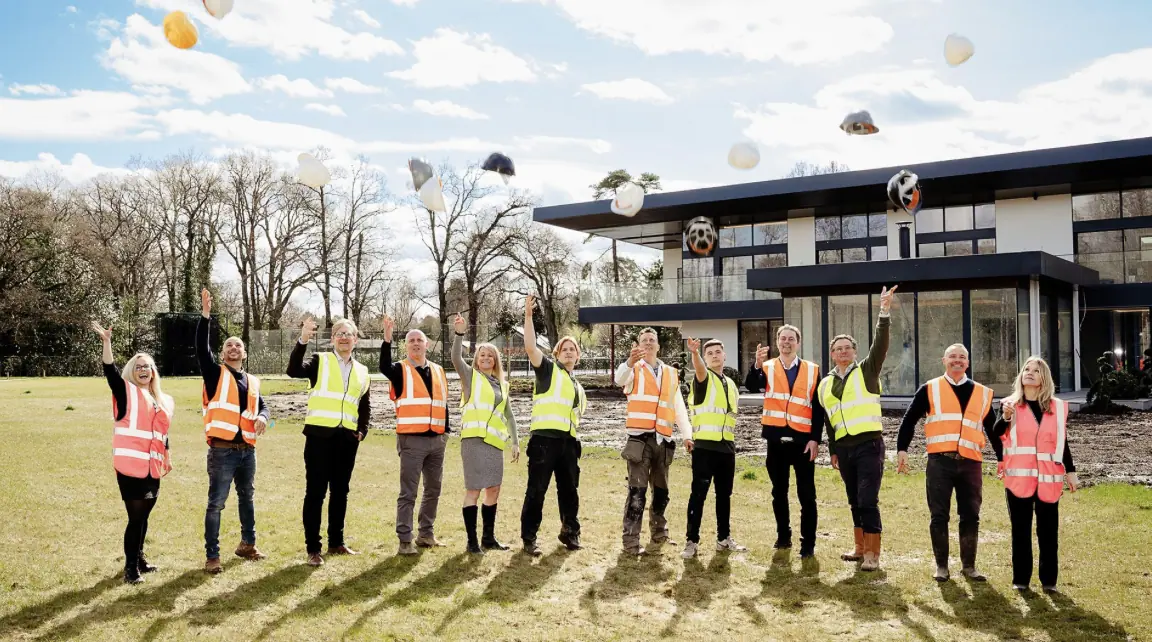
Lofthouse Padel Court Specialists was established by David Lofthouse to make padel courts more available throughout the UK.
Build your padel court
Lofthouse Padel Court Specialists specialise in designing and building padel courts.
From the initial idea to the completed padel court, we do everything. Get in touch today and get your padel court built.
Request a Padel Brochure
Curious about building a Padel court?
Request our FREE brochure to explore court options, pricing insights, and what’s included—everything you need to plan your ideal padel facility.