
The Complete Guide to Padel Rules: Understanding How to Play
9 April 2025
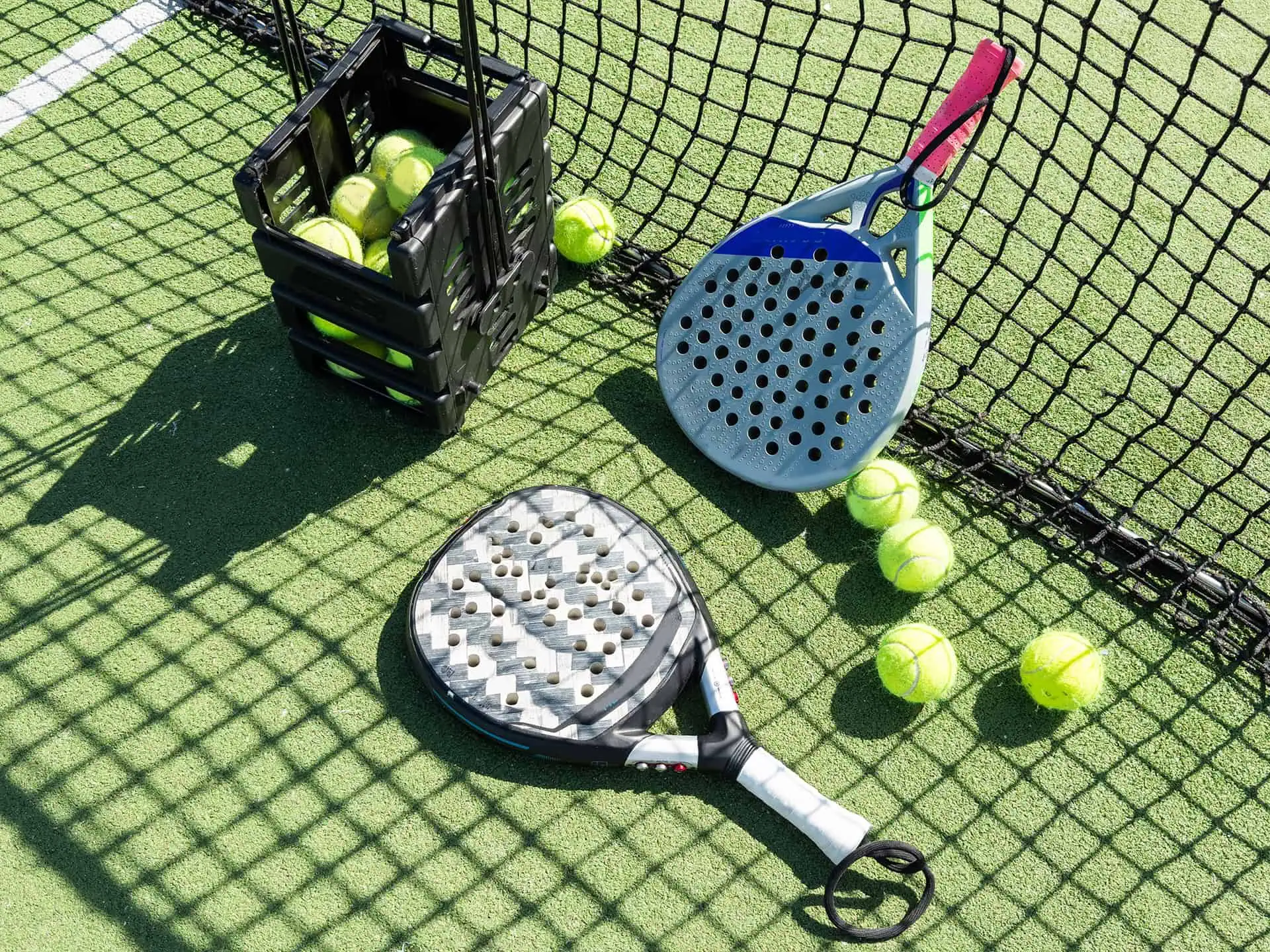
Padel is a fast-growing racket sport that combines elements of tennis and squash, played on a specially designed court with walls.
The game follows simple yet specific rules that make it accessible to beginners while offering strategic depth for advanced players.
Understanding these rules is essential whether you’re playing your first match or considering having your own padel court built.
What is Padel?
Padel is always played as doubles on a court that’s roughly one-third the size of a tennis court. The court is surrounded by glass walls and metal fencing that are part of the game. Players can use the walls in their gameplay, adding an exciting dimension to the sport.
The game originated in Mexico and has grown enormously popular in Europe, especially in Spain. It’s now rapidly expanding across the UK as more people discover this social and engaging sport.
Court Layout and Dimensions
A padel court measures 10 metres wide by 20 metres long, divided by a net in the middle. The court is enclosed by walls made of glass or solid material at the back and partially on the sides. The remaining sides are completed with metal mesh fencing.
The service boxes are similar to tennis, with the court divided into service areas. This layout is crucial for both gameplay and when planning to build a padel court.
Understanding the proper court dimensions is vital when considering construction. The amount of space needed will affect your planning and budget.
Basic Scoring System
Padel uses the same scoring system as tennis. Points progress from 15, 30, 40, and then game. When both teams reach 40, it’s called “deuce”.
After deuce, a team must win two consecutive points to win the game. This creates exciting tension during close matches.
Matches typically use a best-of-three sets format. A set is won by the first team to reach six games with a two-game advantage.
If the score reaches 6-6, a tiebreak is played to decide the set. Most recreational games use a 10-point tiebreak to decide the match if sets are tied at one each.
Service Rules in Padel
The service is a fundamental part of padel with specific rules that differ from tennis. The server must stand behind the service line with both feet behind it.
The ball must be bounced once on the ground before being hit. The serve must be struck underhand, with the ball hit at or below waist height.
The serve must land in the diagonal service box on the opponent’s side, similar to tennis. After bouncing in the service box, the ball can hit the walls and remain in play.
If the ball bounces in the service box but then hits the metal fence before the receiver hits it, the serve is considered a fault. The server gets two attempts to make a valid serve, just like in tennis.
Players change service positions after each point. The first serve of each game is made from the right side of the court.
Rally Rules and Wall Play
Once the serve is in play, the unique aspects of padel come into action. The ball must bounce on the ground in the opponent’s court before it hits any walls.
Players can use the walls on their side of the court to return the ball. This is a key strategic element that makes padel different from tennis.
The ball may only bounce once on the ground before being hit. If it bounces twice, the point is lost.
Players can hit the ball after it has bounced on their side and then hit a wall. They can also play the ball directly off the glass walls on their side to return it.
The metal fencing cannot be used to play the ball back. If the ball hits the fencing without first bouncing in the court, the point is lost.
Winning Points
Points can be won in several ways in padel. If the ball bounces twice on the opponent’s side, you win the point.
Hitting the ball out of bounds or into the net gives the point to your opponents. If the ball hits a player before bouncing, the point goes to the other team.
The ball is considered out if it hits the fencing before bouncing on the court. If it hits the wall after bouncing, it remains in play.
In padel, players can leave the court through the access doors to return balls that have bounced in the court and then gone out. This creates exciting extended rallies that are unique to the sport.
Equipment Needed
Padel rackets are solid with no strings, more like a large table tennis bat than a tennis racket. They have holes in them to reduce air resistance and weight.
The ball used is similar to a tennis ball but with slightly less pressure. This makes it perfect for the bouncing and wall play central to padel.
Players should wear comfortable sports clothing and proper court shoes. Shoes designed for padel or tennis provide the right grip and support for the quick movements required.
The quality of the court surface is crucial for good gameplay. Most padel courts use artificial turf with sand infill.
Etiquette and Conduct
Like tennis, padel has expectations for player behaviour. Players should respect their partners, opponents, and the court facilities.
Avoid using obscene language or throwing rackets in frustration. These actions are considered unsportsmanlike.
Players should call their own lines honestly and maintain a friendly atmosphere. Padel is known for being a social sport where fun and fair play are valued.
Wait until a point is finished before walking behind a court where others are playing. This shows respect and prevents distractions.
Importance of Court Quality
The quality of a padel court directly affects how the game is played. Proper wall construction ensures consistent ball rebounds.
The court surface needs to provide the right amount of grip and ball bounce. Poor quality courts can lead to inconsistent play and potential safety issues.
When considering how to build a padel court, it’s essential to work with specialists who understand how the rules of the game influence construction requirements. Factors like court orientation, lighting, and access need careful planning.
Permanent courts offer the best playing experience for serious enthusiasts. They can be designed to meet professional competition standards.
Why Choose Lofthouse for Your Padel Court?
At Lofthouse, we understand that a properly built court enhances the playing experience. Our team of padel court specialists ensures every court we build meets official regulations.
We offer both permanent and temporary court solutions to meet different needs and locations. Our courts are designed for durability, performance, and aesthetic appeal.
Our experience in the construction industry means we handle every aspect of your padel court project with care. From initial site assessment to the finished court, we maintain the highest standards.
Ready to Build Your Own Padel Court?
Understanding the rules of padel helps appreciate why quality court construction matters. The walls, surface, and dimensions all play crucial roles in the game.
If you’re considering adding a padel court to your property or facility, working with specialists ensures you get a court that delivers an exceptional playing experience. A well-built court becomes an attractive feature that adds value and enjoyment.
To discuss your padel court project with our team of experts, contact Lofthouse Padel Court Specialists today. We’ll help you create the perfect padel court tailored to your space and requirements.
Lofthouse Padel Court Specialists
Looking to bring padel to your home, school, or sports facility?
At Lofthouse Padel Court Specialists, we design and build premium courts tailored to your space, goals, and budget. From planning permission to professional installation, we handle everything with expertise and care.
Get in touch today to start your padel court project with trusted UK specialists.
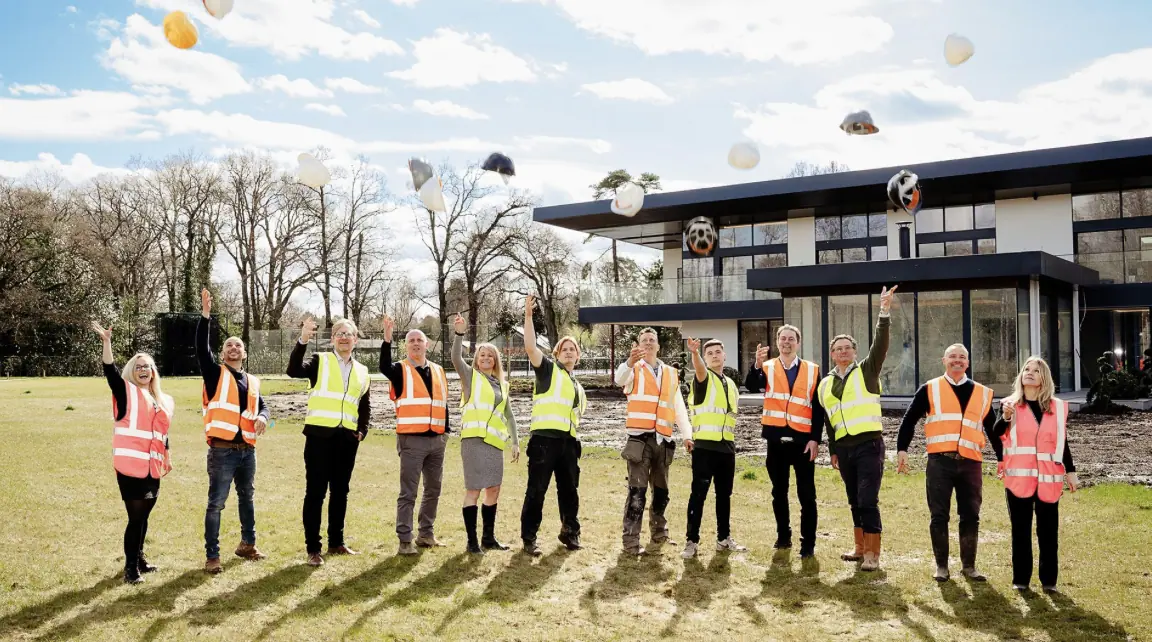
Lofthouse Padel Court Specialists was established by David Lofthouse to make padel courts more available throughout the UK.
Build your padel court
Lofthouse Padel Court Specialists specialise in designing and building padel courts.
From the initial idea to the completed padel court, we do everything. Get in touch today and get your padel court built.
Request a Padel Brochure
Curious about building a Padel court?
Request our FREE brochure to explore court options, pricing insights, and what’s included—everything you need to plan your ideal padel facility.